NJ & NYC Commercial & Residential Garage Door
Choosing a professional garage door manufacturer is more than comparing colors, prices, and showroom displays. A garage door protects vehicles, improves energy efficiency, and influences daily safety. It also moves several times each day, often under harsh weather conditions. Therefore, the manufacturer behind it deserves careful examination.
Tom Wadsworth, a respected garage door educator, often reminds homeowners, “Your garage door is the largest moving object in your home.” That statement changes the buying decision. A reliable manufacturer should provide documented safety testing, durable steel or aluminum options, accurate wind-load information, and clear installation guidance. Look for recognized industry participation, responsive technical support, and warranties written in plain English. Vague promises are not enough.
Ask practical questions. Where are the panels made? How are springs, tracks, and openers tested? Can replacement parts remain available after several years? A professional garage door company should answer without pressure. Its dealer network should also include trained installers who understand alignment, spring tension, weather sealing, and local climate demands.
Price still matters. But the cheapest door may become expensive after repeated repairs, fading panels, or poor insulation. A beautiful finish can hide weak hardware. That is easy to overlook.
My own conclusion is not perfect: no manufacturer fits every property or budget. A coastal home, a cold warehouse, and a suburban garage need different specifications. Buyers should compare verified performance, service records, and total ownership costs. Careful research may feel slow, yet it reduces unsafe shortcuts and disappointing repairs later.
How to Choose a Professional Garage Door Manufacturer?
Define Your Garage Door Needs and Project Requirements
Before comparing manufacturers, define how the garage will actually be used. Measure the opening width, height, headroom, side clearance, and ceiling space. Record these numbers twice. Small errors can affect panel fit, track alignment, and opener selection. Decide whether the door serves a family garage, workshop, storage area, or delivery space. Daily use usually demands stronger hardware and a tested cycle rating. Occasional use may allow a simpler specification.
Consider local weather and security needs. Strong wind, heavy rain, dust, or freezing temperatures can change the recommended construction. Insulated panels may reduce temperature swings inside the garage. They can also improve comfort above an attached garage. Ask about material thickness, sealing quality, corrosion resistance, and safety features. A professional manufacturer should explain performance ratings clearly, not hide them behind vague descriptions. Request installation drawings, maintenance guidance, warranty terms, and service response details.
Budget for the complete project, not only the door panel. Include tracks, springs, operators, removal, electrical work, delivery, and future servicing. I once saw a project estimate focus on the door while ignoring limited headroom. The final adjustment required extra hardware and time. That mistake was avoidable. Leave room for practical changes. A site inspection can reveal uneven floors, weak framing, or drainage problems. Share photos, measurements, and usage expectations with each manufacturer. Their questions can reveal whether their advice is based on real installation experience or a generic quotation.
How to Choose a Professional Garage Door Manufacturer?
A professional manufacturer should show more than attractive product photos. Ask how long the engineering team has designed garage doors and which projects they have completed. Experience matters most when doors face heavy rain, strong sunlight, or frequent daily use. Request drawings, material specifications, and test records. A reliable supplier should explain panel structure, spring performance, sealing methods, and safety features in clear language. Avoid vague promises. They often hide weak processes.
Certifications deserve careful checking. Confirm the certificate number, issuing organization, inspection scope, and expiration date. An accredited third party should verify key safety and performance claims. The certificate should match the exact product series, not a similar model. This step takes time. It can prevent expensive mistakes.
Tips: Visit the production site if possible. Look for organized material storage, calibrated testing equipment, and visible quality records. Ask for production capacity by month, not only annual figures. Check whether the factory can maintain consistent welding, coating, and final inspection during busy periods. Request a sample before placing a large order. Measure its alignment, surface finish, seal contact, and operating noise. I would also ask about rejected products and corrective actions. A manufacturer with no recorded problems may simply avoid honest reporting. Clear answers, traceable documents, and realistic delivery plans usually reveal stronger expertise than polished sales language.
Verify the manufacturer’s expertise, certifications, and production capacity before selecting a supplier. The chart shows a practical evaluation framework based on commonly verified requirements in professional garage door procurement.
ISO 9001 indicates a structured quality management system, UL 325 addresses entrapment protection for door operators, CE marking supports conformity with applicable European Union requirements, and ANSI/DASMA standards provide recognized performance and safety references for door systems.
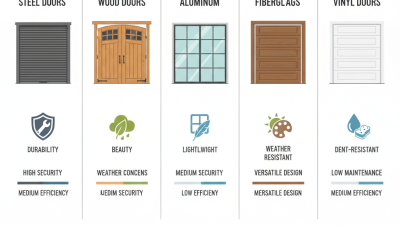
A professional manufacturer should help you compare materials, not simply promote one option. Steel doors provide strength and usually need limited maintenance. Aluminum resists rust and suits humid locations, but it can dent more easily. Wood offers warmth and character, though it needs regular sealing. Insulated panels can reduce heat transfer and outside noise. Check the panel thickness, insulation rating, seals, and drainage details. A door may look impressive in a showroom yet perform poorly beside a cold, uneven garage floor.
Design affects daily use. Consider window placement, panel proportions, opening size, and available headroom. A reliable manufacturer should provide accurate drawings and explain how each design affects weight and operation.
Safety deserves closer attention. Ask about pinch-resistant construction, photo-eye sensors, emergency release access, tested spring systems, and wind-load performance. Request written test information instead of accepting vague claims.
Cycle ratings matter too, especially for busy households. Quiet rollers and balanced movement often reveal better engineering.
Tips: Compare at least three written quotations. Read the warranty conditions carefully. Check who handles installation and future service. Ask to see maintenance instructions before purchasing. Touch the samples if possible; surface texture can hide thin materials. I once underestimated weather seals, and the gap beneath the door caused noticeable drafts. That small detail changed my evaluation. No material is perfect, so choose the design that fits your climate, usage, budget, and tolerance for maintenance.
Customization should begin with your building, not a catalog. Ask whether the manufacturer can match opening dimensions, insulation needs, window layouts, colors, and wind-load requirements. A professional assessment should include tracks, springs, rollers, and opener compatibility.
The 2024 Cost vs. Value Report by Zonda recorded about 194% cost recouped for garage door replacement. That figure is useful, but regional labor and material prices vary widely. Do not treat it as a promise. I have seen attractive designs fail when measurements were rushed.
Pricing should show materials, installation, removal, permits, delivery, and future service separately. A lower quote may exclude reinforced hardware or weather sealing. Request written specifications and compare identical performance levels.
Warranty terms deserve equal attention. Check coverage periods for panels, springs, hardware, and labor. Also ask who handles claims after installation. The Door and Access Systems Manufacturers Association emphasizes proper installation, testing, and maintenance in its technical guidance. That makes technical support more than a sales feature.
Ask about response times, replacement-part availability, maintenance instructions, and emergency service. Real support should be reachable after the invoice is paid. That part is often overlooked. A manufacturer with clear documentation, trained installers, and traceable warranty procedures offers stronger reliability than one offering only the lowest price.
Choosing a professional garage door manufacturer requires more than comparing prices. Quality control should be visible, documented, and repeatable. Ask for material certificates, inspection records, coating tests, and batch traceability. Check whether production follows a recognized quality system. The ISO Survey 2023 reported more than 1.2 million ISO 9001 certificates worldwide, but certification alone proves little. Verify its scope and recent audit results. A factory tour can look impressive. It may still hide inconsistent sampling.
Delivery terms deserve the same attention. Request a written production schedule, inspection deadline, loading date, and agreed Incoterms. Measure on-time, in-full delivery performance over recent orders. Clarify what happens when panels, springs, or hardware arrive damaged. The 2023 Cost vs. Value Report found garage door replacement could recover over 190% of its cost in some market segments. That figure shows the product’s value, but delays can erase its practical benefit. Reliability also depends on field evidence. Review warranty claims, spare-part availability, installation guidance, and response times. No supplier performs perfectly. A transparent supplier admits recurring problems and explains corrective actions.
Tips: Require a pre-shipment inspection with photos and measurements. Test several doors, not just one sample. Confirm packaging protects corners and hardware during transport. Keep delivery promises separate from sales language. Written evidence matters more than confidence.
| Evaluation Dimension | What to Confirm | Reliable Evidence | Recommended Benchmark | Warning Signs | Suggested Weight |
|---|---|---|---|---|---|
| Quality Management System | Whether production procedures, inspections, corrective actions, and document control are formally managed. | A current third-party quality management certificate, audit scope, certificate validity, and documented quality procedures. | Documented quality controls covering incoming materials, production, final inspection, and complaint handling. | Only a general quality promise is provided, with no verifiable documentation or audit information. | 15% |
| Incoming Material Inspection | How steel, aluminum, insulation, springs, hardware, motors, and surface-finish materials are checked before production. | Material specifications, supplier records, inspection reports, batch identification, and nonconforming-material procedures. | Materials are checked against written specifications and traceable to the relevant production batch. | Materials are selected only by appearance or price, with no defined acceptance criteria. | 10% |
| Dimensional and Functional Testing | Whether door panels, tracks, springs, safety devices, seals, and opening systems are tested for fit and operation. | Inspection checklists, calibrated measuring equipment, test records, and sample test results. | Critical dimensions and operating functions are checked before shipment, with records retained. | Testing is performed only after a customer complaint or is based solely on visual inspection. | 15% |
| Safety Verification | Whether the design and supplied components address pinch points, uncontrolled movement, emergency release, and obstruction risks. | Applicable safety test reports, installation instructions, risk assessments, and component compliance documents. | Safety functions are documented, tested, and clearly explained to installers and end users. | Safety information is incomplete, inconsistent, or unavailable for the proposed configuration. | 15% |
| Surface Finish and Corrosion Protection | How coatings, galvanizing, paint, anodizing, or other finishes are prepared and inspected for the intended environment. | Coating specifications, pretreatment records, thickness measurements, appearance standards, and environmental suitability information. | Finish requirements are defined according to material, climate, exposure, and expected use. | Color is guaranteed, but coating preparation, thickness, or corrosion resistance is not addressed. | 10% |
| Traceability and Final Inspection | Whether finished doors and key components can be linked to production records and final inspection results. | Serial numbers, batch codes, packing lists, inspection reports, and retained production records. | Each shipment can be traced to its materials, production date, inspection status, and approved configuration. | Products are shipped without batch information or a documented final inspection. | 10% |
| Production Capacity and Lead Time | Whether the manufacturer can meet the required quantity, specification, and schedule without overstating capacity. | Production planning information, realistic capacity statements, standard lead times, and evidence of resource availability. | Lead times are quoted in writing and include approval, production, inspection, and packing stages. | Unusually short delivery promises are made without confirming specifications, capacity, or material availability. | 10% |
| Delivery Terms and Packaging | Who is responsible for transport, export documentation, insurance, unloading, damage claims, and delivery milestones. | A written delivery term, packing specification, shipping document list, inspection procedure, and damage-claim process. | Responsibilities, delivery point, risk transfer, packaging method, and required documents are clearly stated in the contract. | Freight responsibility and damage liability are discussed informally or left undefined. | 10% |
| Warranty and Spare Parts | What is covered, what is excluded, how claims are submitted, and whether replacement parts remain available. | Written warranty terms, claim response procedure, parts list, recommended maintenance schedule, and service contacts. | Coverage periods and exclusions are specific, practical, and supported by a defined after-sales process. | Warranty language is vague, excludes most components, or provides no clear claim procedure. | 10% |
| Reliability and Communication | Whether the supplier communicates consistently and manages changes, delays, defects, and corrective actions responsibly. | Clear quotation revisions, response records, corrective-action reports, reference checks, and documented escalation contacts. | Questions are answered promptly, changes are recorded, and problems receive written corrective actions. | Frequent specification changes, unclear answers, delayed responses, or refusal to document commitments. | 5% |
| Overall Assessment | Combine quality, delivery, service, and reliability findings before placing an order. | Completed supplier questionnaire, verified documents, approved sample, signed contract, and agreed inspection plan. | Recommended when evidence is complete and contractual responsibilities are clear. | Do Not Proceed when critical safety, quality, or delivery information cannot be verified. | 100% |
| Assessment note: Use this table as a supplier-screening framework. Final acceptance should be based on the applicable local building, electrical, machinery, safety, and transport requirements for the installation location. | |||||