10 Garage Door Buying Tips for Global Buyers

Buying a garage door across borders is rarely a simple product decision. It involves climate, architecture, shipping, installation, safety, and long-term service. A beautiful garage door may fail quickly in coastal humidity or extreme cold. A low price may hide costly fitting problems, incompatible motors, or missing spare parts.

Tom Wadsworth, a longtime technical expert associated with the Door and Access Systems Manufacturers Association, says, “A garage door is a system, not just a panel.” That practical view matters for global buyers. The door, tracks, springs, opener, seals, and controls must work together. Voltage and frequency should match the destination. Wind-load ratings should suit the building location. Measurements should be checked twice. Small errors become expensive overseas.

This guide, “10 Garage Door Buying Tips for Global Buyers,” focuses on decisions that can be verified before payment. It examines materials, insulation, safety features, customization, packaging, delivery terms, installation support, and warranty coverage. Buyers should request drawings, technical specifications, testing information, and clear maintenance instructions. Ask awkward questions early. Who handles damage during transport? Can local technicians obtain replacement springs? Is the quoted price complete?

There is no perfect choice. A heavy steel door may offer strength, yet increase installation demands. A wood finish can look warm, but requires more care. Even experienced buyers can overlook local weather patterns. Careful comparison reduces that risk. A reliable supplier should welcome detailed questions, provide consistent documents, and explain limitations honestly.
10 Garage Door Buying Tips for Global Buyers

Define Your Garage Door Requirements and Buying Goals

Before comparing prices, define what the garage door must do. Will it protect a family car, store tools, or separate a workshop from outdoor weather? Measure the opening twice, including height, width, headroom, and side clearance. Measure twice. Record the floor level and nearby lights or pipes. These details affect door style, track placement, and installation cost.

Your local climate should shape the specification. Coastal air may require stronger corrosion resistance, while cold regions may need better insulation and weather seals. Noise matters if bedrooms are above the garage. Ask a qualified local installer to check wind exposure, structural support, and electrical compatibility. For overseas purchases, confirm voltage, control-system requirements, packaging, import documents, and realistic delivery times. A low price can become expensive after modifications.

Set a buying goal in writing before requesting quotations. Include your target budget, preferred opening speed, security expectations, maintenance limits, and expected service life. Request clear information about materials, insulation testing, safety sensors, spare parts, installation training, and warranty coverage. Do not judge insulation from one number alone; test methods can differ. My own planning has not always been perfect. I once underestimated headroom and had to revise the track layout. Leave room. Build a small contingency budget for site adjustments, local labor, and replacement hardware. Then compare offers line by line, not by price alone.

Compare Door Materials, Styles, and Insulation Levels

10 Garage Door Buying Tips for Global Buyers

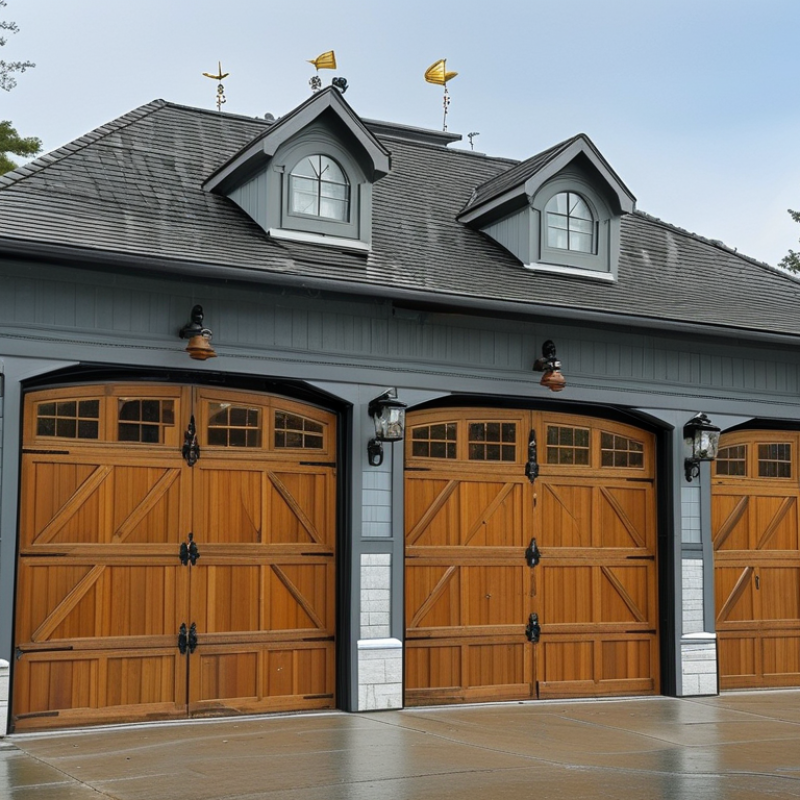
Compare door materials before choosing a finish. Steel usually offers strong security and low maintenance, but it can dent and develop rust in coastal air. Aluminum resists corrosion and feels lighter, although it may bend more easily during impact. Wood creates warmth and character, yet it needs regular sealing, especially in humid regions. Fiberglass can imitate wood, but repair options may vary by market. I once underestimated salt exposure on a seaside project. That mistake made the maintenance cost much higher than expected.

Tip: Match the material to your climate, not only your budget.

Style affects both appearance and daily use. Sectional doors suit many homes and open vertically, saving driveway space. Roller doors need less ceiling clearance, but their appearance may feel less traditional. Side-hinged doors provide a classic look and easy pedestrian access. Measure the opening, ceiling height, and nearby walls carefully. Small errors can delay installation.

Insulation deserves practical attention. In cold or hot climates, compare the door’s R-value, sealing system, and panel construction. A higher R-value can improve indoor comfort, but it may also increase weight and price. Polyurethane panels often provide better thermal performance than basic hollow panels. Check local energy rules and installation practices before ordering. Do not trust the insulation label alone. Ask for tested performance details, and remember that gaps around the frame can weaken the best door.

Check Measurements, Compatibility, and Installation Conditions

10 Garage Door Buying Tips for Global Buyers

Measure the opening in three places: top, middle, and bottom. Record the smallest width and height. Check the headroom above the opening, plus the side room beside each track. A few millimeters can affect panel movement. I have seen buyers measure only the visible door and overlook the frame. That mistake caused an expensive adjustment.

Confirm compatibility with the building structure, power supply, and local climate. A heavy insulated door may need stronger tracks and lifting hardware. Check whether the opener supports the door’s weight and movement style. Electrical connections should match the local voltage and frequency. Ask a qualified technician to review these details before ordering. Online charts help, but they cannot inspect uneven floors or weak mounting points.

Installation conditions matter as much as the product itself. The floor should be reasonably level, and the wall must provide secure fixing points. Keep space clear for tracks, springs, cables, and future servicing. In humid or coastal areas, ask about corrosion-resistant materials and drainage around the entrance. Do not force a door into a tight opening. It may close today, then bind later. I once underestimated a sloping garage floor; the final alignment took longer than expected. Leave room for correction, because measurements are not always perfect.

10 Garage Door Buying Tips for Global Buyers

Common residential garage door opening widths shown in millimetres. Measure the structural opening, headroom, sideroom, and backroom before selecting a compatible door and opener.

The sizes are commonly used nominal dimensions, not universal standards. Actual availability, panel thickness, track configuration, wind rating, electrical requirements, and installation clearances vary by market and product. Always confirm the manufacturer’s technical drawings and local building requirements.

Evaluate Safety Features, Motor Options, and Smart Controls

When comparing garage doors across markets, I inspect safety systems before color or panel style. An automatic door should include obstacle detection, manual release, and controlled closing speed. Test the reversal response with a soft, harmless object, never a person or pet. The door should stop and move back without excessive force. Finger protection matters near hinges and folding sections. I also check emergency access, cable condition, and the clarity of the installation manual. Small details often reveal poor engineering.

Motor selection depends on door weight, cycle frequency, climate, and available power. A ceiling-mounted motor suits many homes, while a side-mounted unit may help with unusual layouts. Ask about standby power use and nighttime noise. In cold or dusty regions, seals and maintenance access deserve extra attention. A stronger motor is not automatically safer. Incorrect force settings can create new risks. I once focused too much on lifting capacity and overlooked service access. That was a costly judgment.

Smart controls can provide alerts, activity records, temporary access, and remote closing. Use encrypted connections, strong unique passwords, and two-step verification when available. Keep manual controls usable if the internet fails. Before purchase, confirm compatibility with local voltage, wireless standards, and household phone systems. Privacy settings deserve close attention. Convenience can become surveillance if configured carelessly. Test every feature after installation, because advertised integration may not work smoothly in real conditions.

10 Garage Door Buying Tips for Global Buyers - Evaluate Safety Features, Motor Options, and Smart Controls

No. Evaluation Area What to Check Practical Buying Guidance Why It Matters
1 Photo-Eye Safety Sensors Confirm that the opener uses two non-contact photo-eye sensors positioned near the floor on both sides of the door opening. Choose a system that stops or reverses the door when the invisible sensor beam is interrupted. Verify alignment indicators and test the sensors after installation. Photo eyes help prevent the door from closing on people, vehicles, pets, or objects.
2 Automatic Reversal Look for force sensing and an automatic reverse function that responds when the closing door meets an obstruction. Request documented compliance with the safety requirements applicable in the destination market, and perform an obstruction test during commissioning. Reversal protection provides a second layer of protection in addition to photo-eye sensors.
3 Manual Emergency Release Check whether the door can be disconnected from the motor and opened manually during a power failure. For garages without another entrance, consider an exterior emergency-release option installed by a qualified professional. Keep the release instructions accessible. Residents can exit or access the garage if the opener loses power or stops operating.
4 Motor Type and Drive System Compare chain-drive, belt-drive, and screw-drive mechanisms, including noise, maintenance, lifting capacity, and climate suitability. Chain drives are typically durable and economical; belt drives are generally quieter; screw drives have fewer moving parts but may require climate-specific maintenance. The drive system affects comfort, service needs, operating noise, and long-term ownership cost.
5 Voltage, Frequency, and Duty Cycle Match the motor’s rated voltage and frequency to the local electrical supply. Review the recommended daily operating cycles. Do not assume a product designed for one region will work safely in another. Confirm electrical protection, plug requirements, standby consumption, and thermal limits with the installer. Correct electrical compatibility reduces overheating, nuisance shutdowns, installation problems, and safety risks.
6 Battery Backup Determine whether the opener supports a rechargeable battery backup and how the door behaves when the battery is low. Choose a backup system sized for the expected number of emergency operations. Confirm charging time, battery replacement interval, and operation during a grid outage. Battery backup can preserve access and security during power interruptions.
7 Smart Controls and Connectivity Evaluate app control, remote status notifications, user permissions, event history, and compatibility with the buyer’s home network. Prefer encrypted connections, unique account credentials, two-factor authentication where available, and regular software updates. Check whether the system works with the local Wi-Fi frequency and internet service. Smart features improve monitoring and convenience, while basic cybersecurity practices help protect access control.
8 Door Construction and Insulation Compare panel material, thickness, weather seals, thermal performance, wind resistance, and corrosion protection. In hot, cold, humid, or coastal regions, prioritize suitable seals, corrosion-resistant hardware, and insulation appropriate for the building envelope. Request the declared thermal or wind-performance data. Better construction can improve energy efficiency, durability, indoor comfort, and resistance to local weather conditions.
9 Dimensions and Installation Conditions Measure the opening width, height, headroom, sideroom, backroom, ceiling angle, and available power location before ordering. Use the manufacturer’s installation clearances and allow space for tracks, springs, the opener rail, lighting, and service access. Have a qualified installer verify the measurements. Accurate measurements prevent fitting failures, unsafe tracking, premature wear, and unexpected construction costs.
10 Standards, Service, and Total Cost Review local building and electrical requirements, documentation, warranty terms, spare parts availability, and installer support. Ask for operating instructions, maintenance schedules, test procedures, replacement-part lead times, and the complete delivered cost, including shipping, taxes, installation, and future servicing. Local compliance and dependable support are essential for safe operation and predictable ownership costs.

Review Costs, Warranties, Maintenance, and Global Shipping Terms

Tip 1: Compare the complete cost, not only the garage door price. Request a written quotation covering panels, tracks, springs, packaging, insurance, and delivery. Ask whether shipping is DAP, FOB, or another agreed term. These details affect customs charges and unloading duties. A low quote can become expensive at the port.

Tip 2: Examine the warranty line by line. Check coverage periods for panels, motors, springs, and surface finishes. Confirm whether labor, replacement parts, and international shipping are included. Keep invoices, installation records, and maintenance notes. I once underestimated this paperwork. That mistake made a simple claim slower than expected. Warranty wording matters.

Tip 3: Plan maintenance before placing the order. Salt air, dust, freezing temperatures, and heavy daily use can shorten component life. Ask which lubricants are suitable and how often technicians should inspect cables, hinges, seals, and safety sensors. Confirm that replacement parts can reach your country. A practical supplier should provide clear manuals and remote technical support. Measure the opening carefully, including ceiling clearance and side space. Small errors can delay installation, especially when custom parts cross borders. Review the delivery timeline, packing method, and damage-reporting process before payment. Photos help.