NJ & NYC Commercial & Residential Garage Door
As urban land becomes more expensive, businesses must rethink how parking space is used. The United Nations projects that 68% of the global population will live in urban areas by 2050. Every square meter matters. An Electrical Parking Lift can convert unused vertical space into practical vehicle capacity without expanding the building footprint. It may suit dealerships, apartment buildings, hotels, offices, and service centers with limited land.
The pressure is already visible. INRIX’s 2017 Global Traffic Scorecard reported that American drivers spent about 17 hours yearly searching for parking. That wasted time also affects customer satisfaction and operating costs. Meanwhile, the International Energy Agency reported in its Global EV Outlook 2024 that electric car sales exceeded 14 million in 2023. More vehicles now require organized, accessible, and adaptable parking infrastructure. A reliable lift can support this shift when its platform size, rated load, cycle speed, and electrical requirements match daily demand.
Still, vertical parking is not a universal answer. Ceiling height, structural capacity, drainage, ventilation, emergency access, and local safety requirements must be verified by qualified professionals. A lift that looks efficient on paper may perform poorly under constant commercial use. Maintenance access matters. So does backup planning during power interruptions. This guide examines why businesses choose an Electrical Parking Lift, what operational benefits it can deliver, and where careful site assessment remains essential. The investment can be compelling, but only when engineering judgment leads the decision.
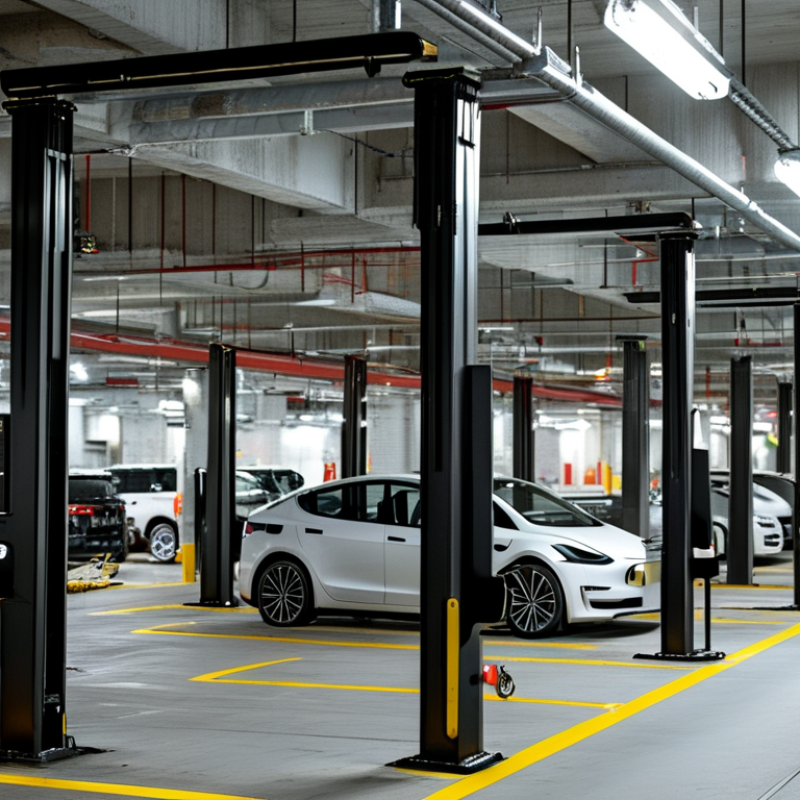
An electrical parking lift is a powered vehicle-storage system that raises one car above another. It uses an electric motor, steel lifting structure, platform, and mechanical safety locks. The driver parks on the platform, activates a control panel, and the platform moves vertically. A level sensor helps stop movement at the correct height. Some systems also use gates or wheel stops to reduce movement during loading.
For a business, this equipment can turn a narrow service yard, showroom, or apartment parking area into usable capacity. It does not require a larger footprint. However, available clearance matters. Measure vehicle height, platform width, ceiling height, floor strength, and access routes before choosing a model. A lift that fits the car may still fail the building.
Reliable operation depends on trained installation, regular lubrication, brake checks, and inspections of cables, chains, locks, and electrical controls. Local building and electrical requirements should guide the design. Power loss is another practical concern. A manual release or backup lowering method may be necessary. The lift can save space, but it is not effortless. Motors make noise, movement takes time, and poor maintenance creates avoidable risk. Treat capacity ratings as working limits, not suggestions. A layout may look efficient on paper. Real traffic patterns may prove otherwise.
An electrical parking lift uses a motor, control panel, lifting platform, and safety locking system to move vehicles vertically. The motor drives screws, chains, or hydraulic equipment, depending on the design. When the operator selects a level, sensors check the platform position and confirm that the access area is clear. The system then raises or lowers the platform at a controlled speed.
The vehicle remains on a steel platform with wheel stops and side guides. Mechanical locks support the platform at each parking height, so the motor does not carry the full load continuously. A reliable lift also includes emergency stop buttons, overload protection, door interlocks, and sensors that detect uneven movement. These features matter in busy commercial parking areas, where small errors can create serious delays.
Routine inspection is essential. Technicians should examine cables, bolts, brakes, electrical connections, and locking parts according to the equipment manual and local regulations. Cleaning the platform helps prevent debris from affecting sensors. Still, the system is not perfect. Power failures, poor drainage, or careless positioning can interrupt operation. A backup lowering method may be necessary, but it needs regular testing. Good installation and trained operators often determine whether the lift saves space or becomes a daily problem.
Limited parking can quietly reduce customer visits, staff satisfaction, and daily revenue. An electrical parking lift uses vertical space instead of demanding more ground area. A two-level system can place two vehicles in one footprint, which helps restaurants, offices, clinics, and apartment properties manage crowded sites.
Space matters most.
From site assessments, operators often discover unused height above existing bays. A lift can convert that space into practical parking without expensive land expansion. It may also reduce the time employees spend searching for available spaces. Clear controls and guided movement support consistent operation during busy periods.
However, the system requires suitable ceiling height, a stable foundation, and reliable electrical service. Ignoring these details creates delays and unnecessary costs.
A parking lift can also improve revenue planning. Property managers may create additional paid spaces or reserve convenient bays for tenants and visitors. Electric operation usually provides smooth positioning and simple daily control. Regular inspections, trained operators, and scheduled maintenance remain essential. Technology does not remove responsibility.
The lift may limit access when another vehicle occupies the lower platform. Businesses should study peak arrival times, vehicle sizes, and emergency procedures before installation. A careful feasibility review is more valuable than a quick capacity estimate. In some locations, the best solution may be fewer lift spaces combined with standard parking. That honest assessment can protect cash flow and prevent an impressive-looking system from becoming an operational burden.
An electrical parking lift can turn a narrow courtyard into usable parking capacity. The IEA’s Global EV Outlook 2024 expected electric-car sales to exceed 17 million that year. This growth makes compact, power-ready parking more valuable. A lift can stack vehicles vertically, reduce driving lanes, and preserve expensive urban floor area. It also supports controlled entry, clearer parking records, and easier space allocation. However, efficiency depends on daily operating habits.
The limitations deserve equal attention. Purchase and installation costs can be substantial. Structural surveys, drainage, ventilation, and electrical upgrades may be necessary. A power outage can temporarily block a vehicle. Regular inspections are essential under lift safety guidance, including ANSI/ALI ALCTV requirements. Moving platforms can also create noise, waiting time, and access conflicts during busy periods. Vehicle height and weight limits may exclude vans or larger electric models. The trade-off is easy to underestimate. More spaces do not always mean better service.
Tips: Measure peak arrival times before choosing capacity. Keep a backup release procedure available. Ask suppliers for tested load data, maintenance intervals, and emergency lowering details. Compare five-year operating costs, not only the purchase price. Review local fire, accessibility, and electrical requirements with qualified professionals. A small pilot installation may reveal inconvenient queueing patterns before a full investment.
Selecting an electrical parking lift begins with your daily parking pattern. Measure vehicle height, width, weight, and turning space before comparing models. A compact lift may save floor area, yet its platform can restrict larger vehicles. Check the rated load, lifting speed, noise level, and power requirements. Ask a qualified technician to verify the building’s electrical capacity. Do not rely only on a sales brochure.
Installation needs careful site inspection. Confirm the floor can support the lift and repeated dynamic loads. Review ceiling clearance, drainage, lighting, and access for emergency services. Keep pedestrian routes separate from moving equipment. A level concrete surface matters more than many owners expect. Small slopes can affect alignment and long-term wear. Local building, electrical, and workplace rules must guide the installation.
Use trained installers for anchoring, wiring, control-panel setup, and safety testing. Request written load data, inspection records, and maintenance intervals. Test emergency lowering, door sensors, limit switches, and manual controls before opening the facility. Leave enough space for technicians to work safely. Plan routine checks for cables, hydraulic parts, bolts, and electrical connections. The first design may look efficient, but real traffic can expose problems. Watch how drivers park during the first weeks. Adjust signs, barriers, or operating procedures when evidence requires it.