Why Choose a Rolling Overhead Door for Your Business?
Why Choose a Rolling Overhead Door for Your Business?
A rolling overhead door can shape how a business moves, works, and welcomes customers. It rises vertically, saving valuable floor and ceiling space. That matters in loading bays, workshops, warehouses, and service garages. Each opening can become smoother, safer, and more predictable.
According to commercial door consultant David H. Bennett, “A dependable door protects more than a building; it protects the rhythm of daily work.” This principle is practical. A well-selected rolling overhead door can support traffic control, weather resistance, security, and energy management. Steel curtains can shield equipment from wind and rain. Insulated models may reduce temperature loss near busy entrances. Automated controls can limit unnecessary handling during repeated deliveries.
Small details matter.
A door must match the opening, usage frequency, operating speed, and maintenance plan. A heavily used warehouse needs different hardware than a quiet retail back entrance. Incorrect sizing can create noise, delays, or premature wear. Even strong equipment needs inspections, lubrication, and timely repairs. No product removes every risk. That is worth admitting.
Business owners should compare cycle ratings, safety features, material strength, service access, and installation quality. They should also ask who will maintain the system after installation. A lower purchase price may not represent a lower operating cost. In real workplaces, a jammed door can interrupt deliveries, expose inventory, and frustrate employees. Choosing carefully turns the rolling overhead door from a simple barrier into a dependable part of the business infrastructure.
What Is a Rolling Overhead Door?
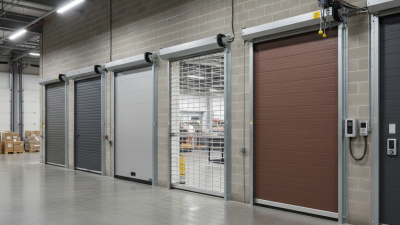
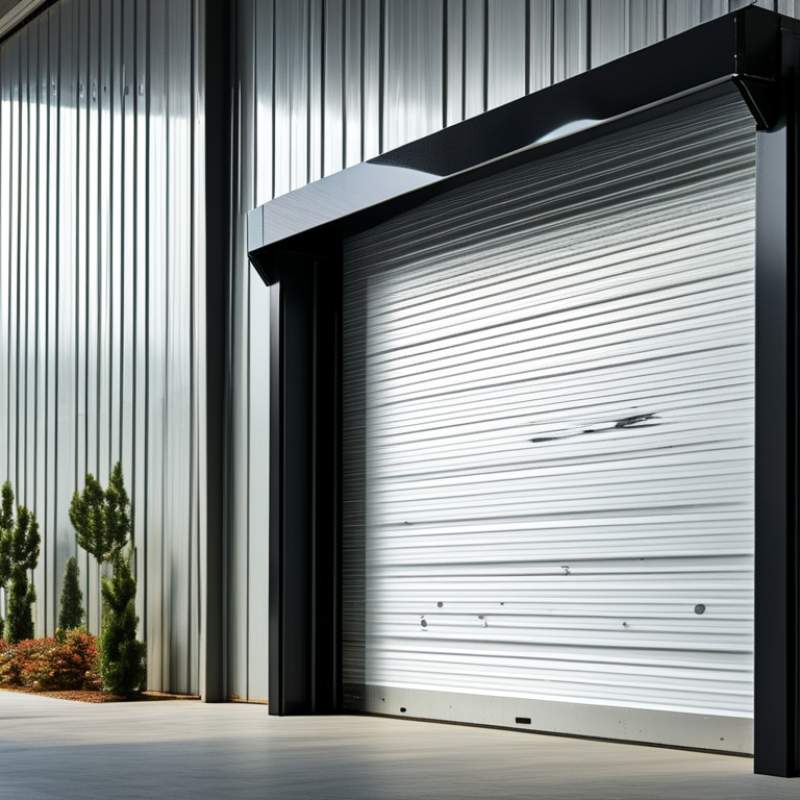
A rolling overhead door is a vertical door that coils above an opening instead of swinging outward. Its curtain is made from connected metal slats, which move along side guides. When opened, the curtain wraps around a barrel inside a hood or housing. A motor, chain hoist, or manual spring system controls the movement.
This design suits warehouses, loading areas, workshops, and parking structures with limited floor space. Trucks can approach closely without hitting outward-swinging panels. In daily use, operators should watch the door’s travel, listen for scraping, and keep the guides clear. A bent slat or loose fastener can cause uneven movement. Small problems often become expensive repairs.
Rolling doors may use steel, aluminum, or insulated slats, depending on security, weather, and temperature needs. Bottom seals help reduce drafts, dust, and light around the opening. However, no door blocks every condition. Wind, heavy traffic, poor installation, and missed inspections can reduce performance. Selecting the right size requires accurate measurements and professional review. A qualified installer should also check structural support, operating controls, emergency release features, and applicable local safety requirements. These details are easy to overlook. They matter every day.
How Rolling Overhead Doors Work
Rolling overhead doors protect openings while using very little floor space. Their curtain consists of connected steel or aluminum slats. When the door rises, the slats travel upward along side guides and coil around a barrel above the opening. When lowered, the curtain unrolls and forms a firm vertical barrier.
An electric motor usually drives the barrel through a chain, gear, or direct connection. Wall controls, remote stations, or safety sensors manage the movement.
Some systems include a manual chain or emergency release for power interruptions. The bottom edge often uses a flexible seal, which helps reduce drafts, dust, and light around the floor.
The door must be measured accurately. Small alignment errors can cause rubbing, noise, or uneven movement. Regular inspections should check springs, guides, fasteners, sensors, and the curtain surface.
They are not maintenance-free. A damaged slat or loose component can become a serious operational problem. Qualified technicians should handle adjustments, especially around stored tension and electrical parts.
Local building and fire requirements also matter, and they may vary by facility. In a loading area, a properly balanced door can open smoothly during repeated traffic, but poor installation may still shorten its service life. That is worth checking.
Key Benefits for Commercial and Industrial Use
Why Choose a Rolling Overhead Door for Your Business?
Key Benefits for Commercial and Industrial Use
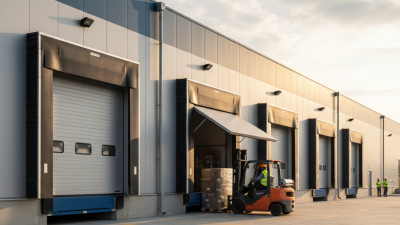
A rolling overhead door helps commercial buildings manage busy daily traffic. Its vertical operation saves valuable wall and floor space. Trucks can enter without waiting for wide swing panels to clear. In warehouses, that small time saving can improve loading schedules. The curtain also creates a cleaner separation between work areas and outside conditions. No door solves every problem.
Durability is another practical benefit in demanding facilities. Steel or aluminum components can withstand frequent opening cycles and accidental impacts. Insulated models may reduce heat transfer near loading docks and production rooms. A tight seal can also limit dust, drafts, and unwanted moisture. This supports more stable indoor conditions for workers, equipment, and stored goods. Small gaps matter. However, poor alignment can quickly reduce these advantages.
Safety and maintenance require careful planning. A suitable door should include reliable brakes, visibility features, and obstruction detection. Operators need clear training, especially where forklifts and pedestrians share routes. Regular inspections can identify worn guides, damaged slats, or unusual operating noise. Facility teams should measure opening size, traffic frequency, wind exposure, and temperature needs before ordering. An experienced installer can catch practical issues that drawings often miss. It is tempting to choose the lowest initial price, but repeated repairs may cost more over time. A balanced decision considers performance, service access, and the building’s real working conditions.
Factors to Consider Before Choosing One
Why Choose a Rolling Overhead Door for Your Business?
Factors to Consider Before Choosing One
A rolling overhead door can improve security, traffic flow, and space efficiency. It rolls above the opening, leaving walls and floor areas clear. However, the right choice depends on your building and daily operations.
Measure the opening carefully, including headroom, side clearance, and floor level. A busy warehouse may need a door tested for frequent cycles. A small workshop may need less capacity but better insulation. Consider wind exposure, temperature control, noise, and resistance to impact. These details affect performance more than appearance.
Safety deserves close attention. Look for reliable sensors, controlled closing, manual release options, and accessible maintenance points. An experienced installer should explain these features clearly and inspect the surrounding structure. Ask about service schedules, replacement parts, warranty limits, and expected repair costs. Do not accept vague answers.
Energy performance can also influence operating expenses. Insulated slats may help stabilize indoor temperatures, especially near loading areas. Yet insulation cannot correct poor sealing or careless installation. A lower purchase price may look attractive. It can become expensive after repeated repairs, downtime, or heat loss. I have seen planning focus too heavily on the door itself, while ignoring drainage, vehicle clearance, and staff training. That mistake is easy to repeat. Compare the complete operating cost, not only the quoted price.
Maintenance, Safety, and Long-Term Performance
Maintenance is where a rolling overhead door earns its value. In busy warehouses, dust, forklift vibration, and repeated cycles quietly damage guides, rollers, springs, and seals. Technicians should inspect these parts routinely, not only after a jam. NFPA 80, 2022 Edition, calls for documented inspection, testing, and maintenance of fire door assemblies. That requirement reflects a practical truth: records reveal wear before failure becomes expensive. Still, maintenance schedules are often too optimistic. A checklist can create false confidence.
Safety depends on controlled movement.
Photoelectric sensors, bottom-edge detection, emergency release systems, and warning labels reduce exposure to moving panels. Operators need clear sightlines and enough clearance beneath the curtain. Training matters because a fast door can hide a small mistake. OSHA’s machine-guarding rule, 29 CFR 1910.212, supports guarding against moving-part hazards. The U.S. Bureau of Labor Statistics reported 888,220 private-industry cases involving days away from work in 2023. Loading areas deserve disciplined controls. The U.S. Department of Energy notes that air leakage can represent 20% to 30% of heating and cooling energy use. A damaged side seal can turn that statistic into a draft near the loading bay.
Tips:
Record cycle counts, inspection dates, unusual noise, and repair decisions. Clean tracks carefully. Test safety devices according to the manufacturer’s instructions. Replace worn seals before daylight appears around the edges. Ask a qualified technician to verify spring tension and door balance. Do not treat a quiet door as a healthy door. That assumption fails more often than teams expect.