How to Source Residential Garage Doors Worldwide in 2026?
Sourcing residential garage doors worldwide in 2026 requires more than comparing factory prices. It demands evidence, testing, and disciplined supplier verification. Market estimates vary because research firms define the category differently. Grand View Research valued the global garage door market at approximately USD 2.55 billion in 2023, while Fortune Business Insights reported a broader market estimate of USD 7.24 billion. Both reports indicate continued growth, driven by residential construction, renovation, automation, and energy-efficiency upgrades. The difference deserves attention. It reminds buyers to examine each report’s scope before planning volumes.
Safety must remain central. Tom Wadsworth, a longtime technical expert associated with the Door and Access Systems Manufacturers Association, stated: “The garage door is the largest moving object in your home.” That single sentence changes the sourcing conversation. Buyers should verify spring systems, operator compatibility, wind-load ratings, insulation values, corrosion resistance, and documented factory testing. They should also request samples before approving container-scale orders. Small details matter. A poorly protected panel corner can arrive scratched after a long ocean voyage.
This guide examines supplier selection across Asia, Europe, and North America. It considers material grades, production capacity, packaging design, lead times, spare parts, warranty terms, and landed cost. Certifications should be checked against the destination market, not accepted as decorative paperwork. Factory audits, video inspections, and traceable quality records improve reliability. Still, no sourcing plan is perfect. Freight disruptions, currency changes, and inconsistent regional standards can expose weak assumptions. That is why responsible procurement combines data with practical inspection, clear contracts, and cautious testing before expansion.
Define Residential Garage Door Requirements and Sourcing Goals
How to Source Residential Garage Doors Worldwide in 2026?
Define Residential Garage Door Requirements and Sourcing Goals
Start with the opening size, panel material, cycle rating, insulation target, and operating method. Record each measurement in millimeters, including headroom and side clearance. According to Grand View Research’s 2024 Garage Doors Market report, global demand is growing steadily through 2030. However, market growth does not define your purchasing needs. A coastal home may require corrosion-resistant hardware. A cold-climate project may prioritize insulated panels and lower heat transfer. Set measurable goals for price, service life, delivery time, and replacement parts.
Tips: Build a technical checklist before requesting quotations. Ask suppliers for test reports, installation drawings, warranty terms, and packaging dimensions. Compare total landed cost, not only the factory price. Include duties, inland transport, inspection, and possible storage fees. A sample door can reveal problems that spreadsheets miss.
Sourcing goals should also reflect local building practices and user experience. DASMA technical publications provide useful references for door performance, safety, and installation terminology. Request documented wind-load ratings where regional conditions demand them. Confirm motor voltage, remote-control frequency, manual release design, and available spare parts. The International Energy Agency continues to emphasize building efficiency, making insulation data increasingly relevant. Still, higher insulation may increase weight and hardware requirements. That trade-off is easy to overlook. I would test the full door assembly, not just the panel, before approving production. Small gaps, noisy rollers, or weak packaging can become expensive field complaints.
Compare Global Garage Door Materials, Designs, and Operating Systems
How to Source Residential Garage Doors Worldwide in 2026?
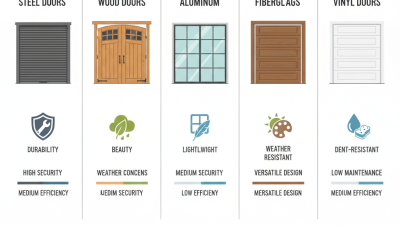
Material choices shape cost, durability, and installation risk. Steel remains the practical baseline for global sourcing. It handles impacts well and supports many surface finishes. Aluminum suits coastal homes because it resists corrosion. However, it can dent more easily. Wood creates warmth and architectural character, but it demands regular sealing. Composite panels offer a useful compromise, although quality varies between suppliers. Grand View Research valued the global garage door market at approximately USD 7.3 billion in 2023, with continued growth expected through 2030. That growth does not make every product reliable.
Design should match local conditions, not only showroom preferences. Insulated sectional doors suit cold climates and attached garages. Roller doors save ceiling space, but their thermal performance may be weaker. Contemporary flush panels look clean. Decorative windows improve daylight, yet they can increase heat gain and security concerns. DASMA technical guidance also warns that a door’s advertised R-value may not represent the complete installed assembly. That detail is easy to miss. It matters.
Tips: Request full-door U-values, wind-load ratings, cycle testing, corrosion protection, and replacement-part availability. Confirm opening dimensions in millimeters. Check whether the motor supports local voltage, manual release, safety reversal, and common smart-home protocols. A cheaper operator may fail earlier in humid or dusty regions. I would also order a sample corner before signing a large contract. Photos are not enough. Supplier certificates deserve independent verification, too.
Evaluate International Manufacturers, Certifications, and Product Quality
Sourcing residential garage doors in 2026 requires more than comparing factory prices. International manufacturers should be judged through documented production controls, not polished catalog images. Ask for factory registration, quality manuals, inspection records, and traceability from steel coil to finished panel. A remote video tour helps, but it cannot replace an independent factory audit. I have seen attractive samples fail because hinges were poorly aligned or seals hardened after heat exposure. Small details matter.
Tips: Request two production samples from separate batches. Check panel thickness with a gauge, measure spring balance, and operate each door repeatedly. Review test reports for wind-load resistance, thermal performance, corrosion exposure, noise, and safety reversal. Confirm that the tested configuration matches the quotation. A report for one track system may not cover another. This is often overlooked.
Certifications must fit destination requirements. Depending on the market, buyers may need CE marking, UKCA, UL 325-related safety compliance, or other recognized standards. Verify certificates directly with issuing bodies when possible. Check scope, expiry dates, model numbers, and factory addresses. ISO 9001 supports process consistency, but it does not guarantee a quiet, durable door. Require installation instructions, spare-part lists, warranty terms, and a corrective-action process. Keep written approval samples before mass production. Even then, quality can drift. A final pre-shipment inspection remains worthwhile, especially for springs, cables, fasteners, and protective coatings. Some suppliers may resist this step. That resistance deserves attention.
Calculate Landed Costs, Shipping Options, Duties, and Delivery Timelines
When sourcing residential garage doors worldwide in 2026, calculate the landed cost before comparing factory prices. Include the door, hardware, protective packaging, inland transport, export fees, freight, insurance, duties, taxes, customs clearance, and final delivery. A simple formula helps: landed cost equals purchase cost plus every expense until the shipment reaches your warehouse. Small omissions become expensive surprises.
Shipping depends on volume, weight, urgency, and destination. Full-container shipping usually offers better unit costs for large orders, while consolidated cargo suits smaller quantities. Air freight is faster but rarely practical for complete garage doors. Measure each packed panel carefully, because dimensional weight can exceed the scale weight. Request quotes using identical delivery terms, such as FOB, CIF, or DAP. Otherwise, comparisons become misleading.
Duties require careful product classification, declared origin, and destination-specific tariff research. Confirm the correct customs code with a qualified broker, not only with a supplier. Delivery planning should include manufacturing, inspection, port booking, ocean transit, customs clearance, and local trucking. A realistic schedule may span eight to fourteen weeks. It can take longer during holiday peaks or port disruption. My own planning rule is to add a buffer, although even that can fail. A damaged crate, missing document, or incorrect measurement may delay installation. Keep commercial invoices, packing lists, certificates, and inspection records consistent. Reliable paperwork often moves faster than urgent phone calls.
Manage Contracts, Inspections, Installation, and After-Sales Support
How to Source Residential Garage Doors Worldwide in 2026?
Global sourcing now requires more than comparing factory prices. Fortune Business Insights estimates the garage door market at about USD 7 billion in 2024, with continued growth through 2032. That growth increases supplier pressure and quality risks. Use contracts with clear drawings, steel gauges, insulation values, cycle ratings, packaging rules, and approved tolerances. Specify payment stages. Hold the final balance until inspection documents are complete. International Chamber of Commerce Incoterms should define insurance, delivery responsibility, and customs costs.
Inspection must follow the product, not only the factory. Request material certificates, coating results, load tests, and photographs of serialised units. Independent inspectors can check samples before loading. The International Door Association stresses trained installation and regular safety checks. Installation teams should verify tracks, springs, balance, emergency release, and opener compatibility on site. A small gap can become a large service claim.
Tips: Create one digital acceptance checklist. Record torque readings and installation photos. Keep spare springs, rollers, seals, and fasteners locally. After-sales support should promise response times, remote troubleshooting, replacement-part availability, and technician training. The 2024 World Bank Logistics Performance Index shows wide differences in customs, infrastructure, and shipment reliability across markets. Plan regional inventory accordingly. A spreadsheet helps, but it is not enough. In practice, weather damage and unclear handover records still cause avoidable disputes. Review the process after every shipment. Perfect systems do not exist.
How to Source Residential Garage Doors Worldwide in 2026?
Common nominal opening widths provide a practical starting point for supplier qualification, contract specifications, pre-shipment inspections, installation planning, and after-sales support.
The dimensions shown are common residential reference widths in major construction markets, not mandatory limits. Confirm every project against approved architectural drawings and applicable safety requirements, including EN 13241, UL 325, or AS/NZS 4505 where relevant. Contracts should define tolerances, inspection points, installation interfaces, spare parts, warranty response times, and local service coverage.