What is the overhead door and how does it work?
The overhead door is more than just a convenient entryway. This vital component of many homes and businesses combines functionality and security. According to industry expert John Harrison, "A reliable overhead door enhances both safety and accessibility." His insights highlight the door's significance in daily operations.
Understanding how the overhead door functions is essential. These doors operate through a system of tracks and rollers, providing a smooth opening and closing experience. Yet, many overlook the maintenance required to keep them in top condition. Regular inspections can prevent issues and extend the door's life.
However, not all overhead doors are created equal. Some designs struggle with wear and tear more than others. If a door malfunctions, it can impact daily activities significantly. Failing to address small problems can lead to bigger, costlier repairs later. Each overhead door tells a story of wear, use, and the need for vigilance.
What is an Overhead Door: Definition and Purpose
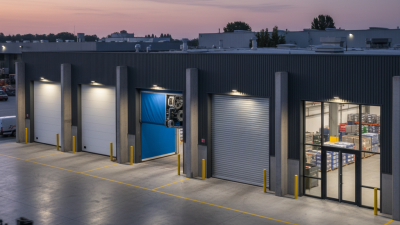
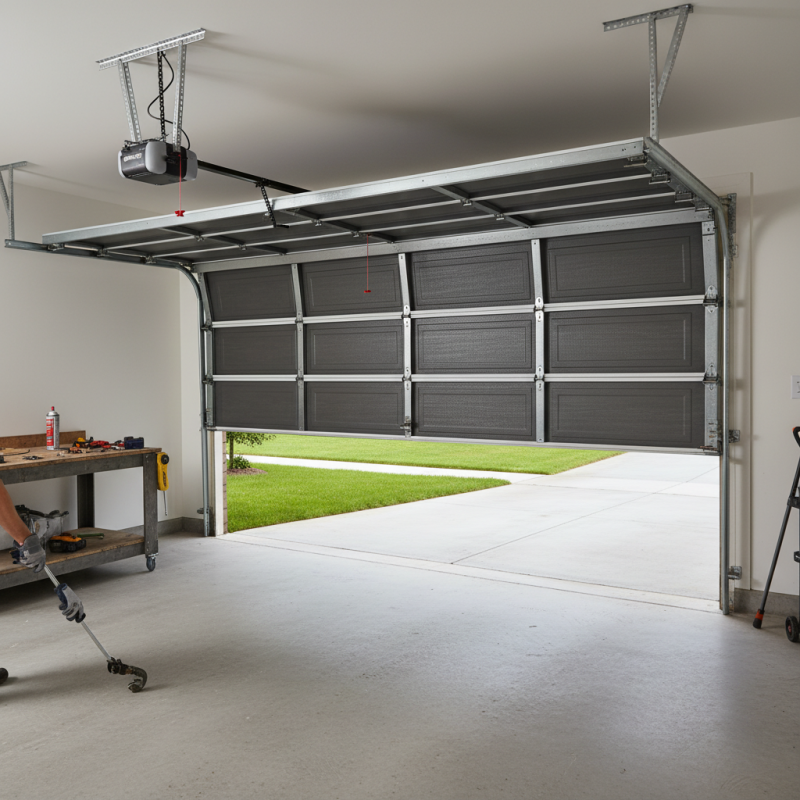
An overhead door is a mechanical door that opens vertically. It consists of sections that fold or roll up. This design saves space and offers convenience. Overhead doors are common in garages, warehouses, and commercial buildings. They provide security and easy access for vehicles and equipment.
According to the Door and Access Systems Manufacturers Association (DASMA), the demand for overhead doors has increased significantly in recent years. The global market for these doors reached approximately $10 billion in 2021. This trend reflects the growing construction industry and rise in e-commerce. Facilities leverage overhead doors to enhance workflow efficiency. Security remains a top priority in design and installation.
Despite their advantages, overhead doors can come with challenges. Misalignment and mechanical failures are common issues. Regular maintenance can mitigate these problems. However, many users neglect this aspect. Understanding the mechanics behind these doors can be complex. Users often overlook basic troubleshooting steps. Simplifying this process could lead to better operational efficiency.
Types of Overhead Doors: Residential vs. Commercial Applications
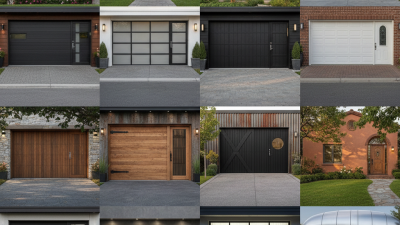
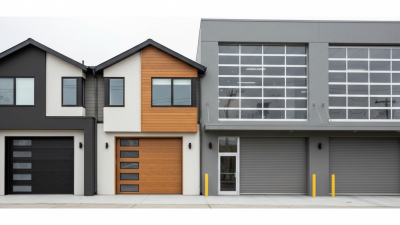
Overhead doors come in different types, catering to both residential and commercial needs. Residential overhead doors mainly prioritize aesthetics and energy efficiency. They are typically designed for homes, featuring insulation to enhance energy savings. A report from the International Door Association shows that insulated doors can reduce energy costs by up to 20%.
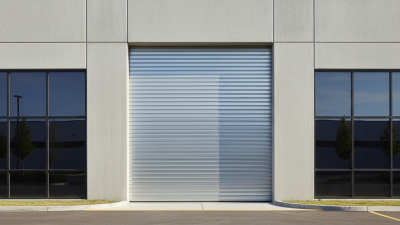
In contrast, commercial overhead doors focus on durability and functionality. These doors are often used in warehouses, loading docks, and garages. They have to withstand heavy usage and harsh conditions. The Commercial Overhead Door Market is expected to grow by 4.5% annually, emphasizing the increasing demand for reliable solutions. However, some businesses still overlook maintenance, leading to potential security risks and costly repairs.
In both sectors, proper installation is crucial. Misalignment can cause operational failures, which can be frustrating. Many homeowners and businesses may not realize the importance of professional installation. Certifying doors by reputable organizations can ensure quality. However, not every installation meets industry standards. This gap can lead to safety issues. Evaluating the installation processes is essential for long-term performance.
What is the overhead door and how does it work?
| Type of Overhead Door |
Application |
Material |
Insulation |
Typical Size |
| Sectional Garage Door |
Residential |
Steel, Aluminum |
Yes |
7' x 9' |
| Roll-Up Door |
Commercial |
Steel |
No |
10' x 12' |
| Tilt-Up Door |
Residential |
Wood, Metal |
Optional |
8' x 7' |
| Commercial Sliding Door |
Commercial |
Aluminum, Glass |
Yes |
12' x 14' |
Benefits of Overhead Doors: Energy Efficiency and Security Features
Overhead doors are popular in residential and commercial spaces. They offer numerous benefits, particularly in terms of energy efficiency and security features. According to industry reports, businesses can save up to 30% on energy costs by installing insulated overhead doors. These doors reduce heat loss in winter and keep spaces cooler in summer, creating a comfortable indoor environment.
Security is another significant advantage. An overhead door can deter intruders just by its design. Many models are equipped with advanced locking mechanisms and sensors. Reports indicate that premises with secure overhead doors face fewer break-ins. This added security allows owners to focus on their business without constant worry.
Tips: Always ensure your overhead door is well-maintained. Regular inspections can prevent unexpected breakdowns. Choose a door with a high energy efficiency rating. It may cost more upfront but saves money in the long run. Remember that not all doors offer the same level of security; conduct thorough research before deciding.
Maintenance Tips for Ensuring Longevity of Overhead Doors
Overhead doors are essential for garages and warehouses. They provide security and convenience. Regular maintenance keeps them functioning properly. Neglect can lead to costly repairs.
To ensure longevity, inspect the door regularly. Look for any signs of wear. Check the springs and cables for fraying. A little rust can lead to bigger issues, so keep them clean. Lubricate moving parts twice a year. This ensures smooth operation and avoids squeaks.
Pay attention to the weather seals. They help with insulation and energy efficiency. Replace them if they show damage. Periodically clear the tracks of debris. Dust and dirt can obstruct movement, causing strain on the door mechanism. Make time for these small tasks. They can save you money and hassle in the long run.
Maintenance Tips for Ensuring Longevity of Overhead Doors