How to Choose the Right Garage Door for Your Home?
Choosing the right door garage door for your home can be a daunting task. According to the International Door Association, over 70% of homeowners are unsure about what features to prioritize when selecting a garage door. This decision impacts not just aesthetics but also security and energy efficiency. Industry expert John Smith emphasizes, “Investing in the right garage door can enhance your home’s curb appeal and value.”
Homeowners face challenges in navigating the vast array of options. Styles range from traditional raised panels to contemporary minimalist designs. Materials vary too, from steel to wood and fiberglass. Each material offers distinct advantages and disadvantages, complicating the decision-making process. Relying solely on aesthetics may lead to regrets later on.
Moreover, improper selection can result in issues such as poor insulation or high maintenance costs. Buyers should consider long-term benefits over immediate visual appeal. It’s essential to weigh the technical aspects, such as R-value for insulation and durability against wear. Reflecting on these elements, homeowners can make more informed choices. Engaging with professionals can prove beneficial in this complex process.
Understanding Different Types of Garage Doors Available on the Market
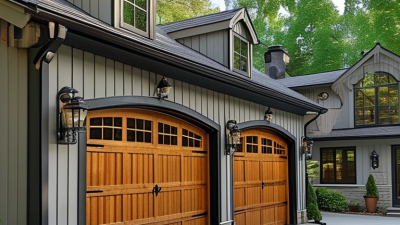
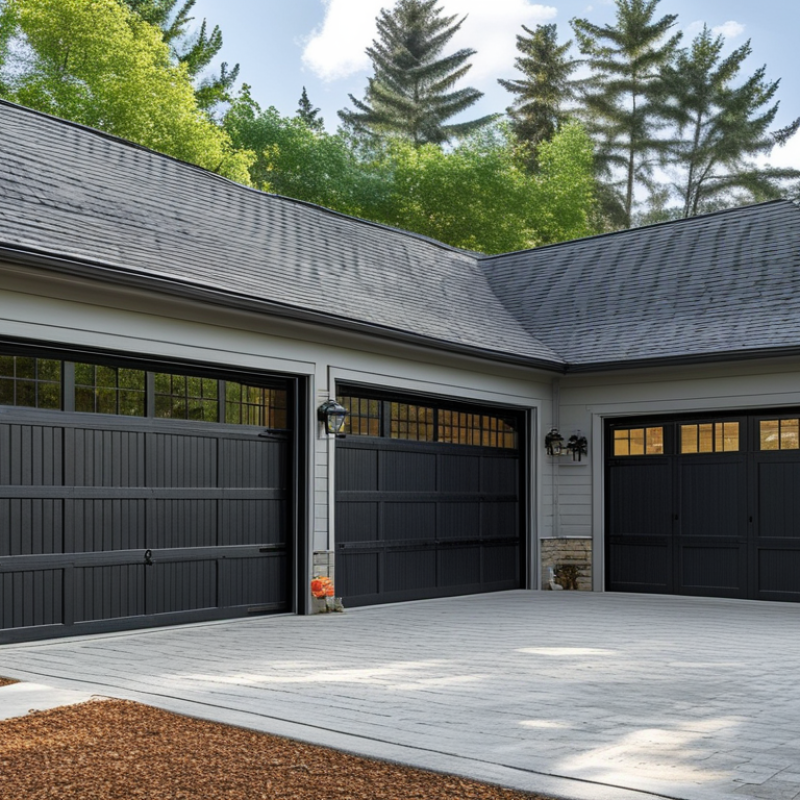
When selecting the right garage door, understanding the various types available can greatly help. The most common styles include sectional, roller, side-hinged, and up-and-over doors. Each has unique features and aesthetics. Sectional doors, for instance, save space and are good for garages with low ceilings. Roller doors open vertically and can fit snugly within the garage ceiling. These are suitable for narrower openings.
Side-hinged doors, which swing open like traditional doors, provide charming appeal. They can be easier to operate manually but may require more clearance. Up-and-over doors are versatile, offering both pull-up and swing features. However, they necessitate additional driveway space to function properly.
Choosing the right type depends on personal preference and the space available. It's essential to consider insulation, security, and maintenance needs. Additionally, think about the curb appeal you want to achieve. A mismatch between style and functionality can lead to regrets down the line. Evaluate options thoroughly to match your home’s character and your lifestyle.
Evaluating Material Options for Durability and Aesthetics
When selecting a garage door, material choices shape both durability and aesthetic appeal. Common options include steel, wood, and fiberglass.
Steel doors are robust and often come with insulation. They withstand impacts and severe weather. However, they can rust over time if not properly maintained.
Wood offers a classic look but requires regular upkeep. It can rot or warp, demanding more attention than steel.
Fiberglass is lightweight and resistant to dents and scratches. It can mimic wood's appearance but might not be as strong. However, it lacks insulation properties unless specifically designed. Each material entails different maintenance routines and costs. Evaluating these options is crucial.
Think about the climate in your area. In coastal regions, corrosion can affect steel badly. Alternatively, wood is not ideal in humid climates due to rotting.
Visualize how each material aligns with your home's overall design. Choices aren't just about preference; they reflect lifestyle. Investing time to weigh pros and cons leads to better decisions.
Considering Size and Dimensions for Optimal Fit
Choosing the right garage door involves careful consideration of size and dimensions. The garage opening should align with the door chosen. Measure the width and height of the opening accurately. Small discrepancies can lead to poor fits. It’s important to account for any obstructions near the opening, like light fixtures or wall features. Even a few inches can make a difference.
Height is another critical factor. Standard height varies, but a door must clear any overhead storage. If your garage has a high ceiling, consider extra headroom for an optimal fit. A door that is too tall or too short can affect functionality. Make sure to also think about the slope of the driveway. This can impact how the door operates when it opens and closes.
Many homeowners overlook the importance of weather-stripping. Proper sealing against drafts and moisture extends the door's lifespan. Choosing the right material can also provide better insulation. Reflect on how often you use the garage. Frequent use may justify a more durable option. Keep in mind that an ill-fitting door can lead to security issues. Evaluate these critical aspects before making a final decision.
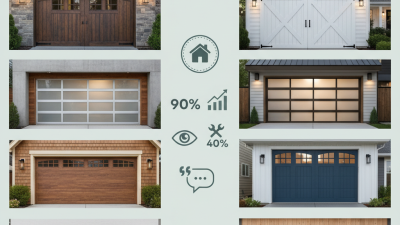
Garage Door Size Preferences by Home Type
Assessing Insulation and Energy Efficiency Features
Choosing the right garage door involves understanding insulation and energy efficiency. A well-insulated garage door can greatly affect your home’s energy bills. According to the U.S. Department of Energy, an insulated garage door can cut energy loss by up to 70% compared to non-insulated doors. This efficiency is vital for maintaining stable indoor temperatures, especially in extreme climates.
When assessing garage doors, look for materials with high R-values, which indicate better insulation. Steel doors with polyurethane insulation offer superior thermal performance than those with polystyrene. However, not all homes require the same insulation level. A homeowner in a mild climate may not need a high R-value door, leading to unnecessary expenses.
Consider how your garage door interacts with your overall home energy system. Poorly insulated garage doors can lead to drafts and higher heating costs. In contrast, a well-chosen door can enhance your comfort. Reflecting on your home’s energy usage patterns can guide you in making more informed decisions. Balancing initial costs with long-term energy savings is key.
How to Choose the Right Garage Door for Your Home? - Assessing Insulation and Energy Efficiency Features
| Type of Garage Door |
Insulation Rating (R-value) |
Material |
Energy Efficiency Features |
| Sectional Garage Door |
R-Value: 12 - 16 |
Steel with Polyurethane Insulation |
Weather stripping, thermal breaks |
| Roll-Up Garage Door |
R-Value: 10 - 14 |
Aluminum with Insulation |
Sealing edges, double wall construction |
| Tilt-Up Garage Door |
R-Value: 5 - 10 |
Wood or Fiberglass |
Insulated panels, weather seals |
| Side-Hinged Garage Door |
R-Value: 8 - 12 |
Wood or Steel |
Insulation options, sealing mechanisms |
Examining Safety and Security Features in Garage Doors
When choosing a garage door, safety and security should be top priorities. The garage door is often a vulnerable entry point for homes. The right choice can boost your home’s security and provide peace of mind. Look for features such as sturdy materials and reliable locking mechanisms. Steel and reinforced doors offer better protection against intruders than wood.
Installing a garage door opener with rolling code technology is essential. This feature generates a new access code every time you use it. This helps prevent unauthorized access. Consider doors with a pinch-resistant design too. This protects your family from injury when opening or closing the door.
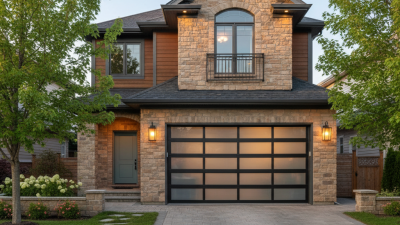
Pay attention to window placement as well. While natural light is beneficial, windows can also provide a weak point. It's wise to select windows that are tempered or have security glass. Reflect on the overall integration of your garage door’s design with your home’s architecture. A well-chosen door can enhance your home's aesthetics while ensuring safety. Make your decision carefully, considering both functionality and appearance.