How to Choose the Best Overhead Door for Your Business?
Choosing the right overhead door for your business is crucial. A reliable overhead door can enhance security and improve accessibility. According to the International Door Association, nearly 70% of businesses report increased efficiency with the right door systems. However, the options available can be overwhelming.
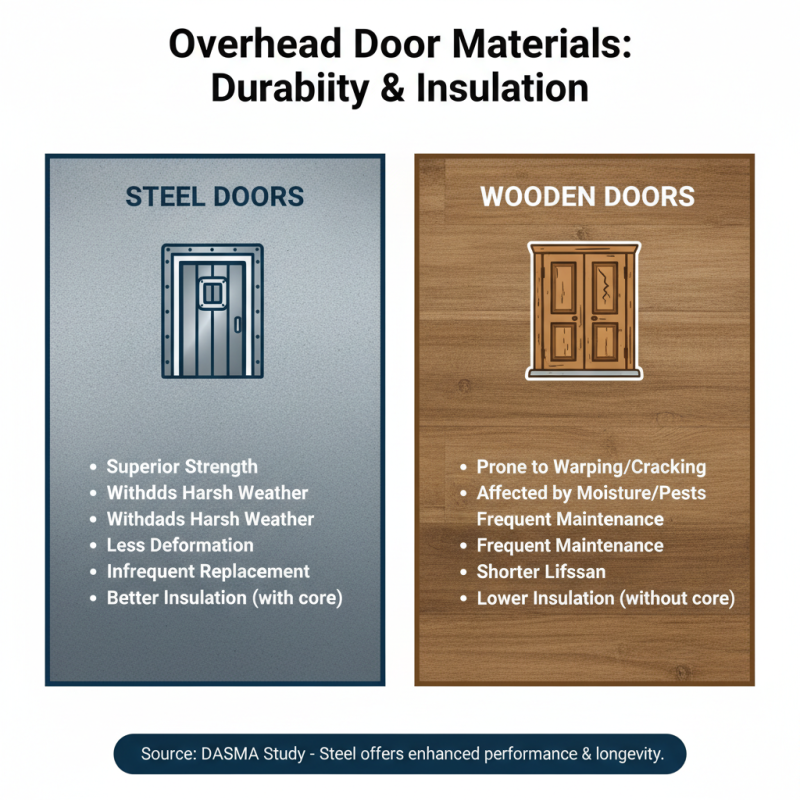
When selecting the best overhead door, consider various factors. Material, insulation, and design play significant roles in functionality. Steel doors may offer strength, while insulated options improve energy efficiency. According to a recent industry report, businesses can save up to 20% on energy costs with proper insulation in overhead doors.
Many decision-makers face challenges in finding the ideal match for their specific needs. Balancing aesthetics with practical functionality is often a dilemma. A well-informed choice reflects the business’s brand and commitment to excellence. Through careful evaluation, companies can optimize their operations while ensuring safety and durability in their overhead door selections.
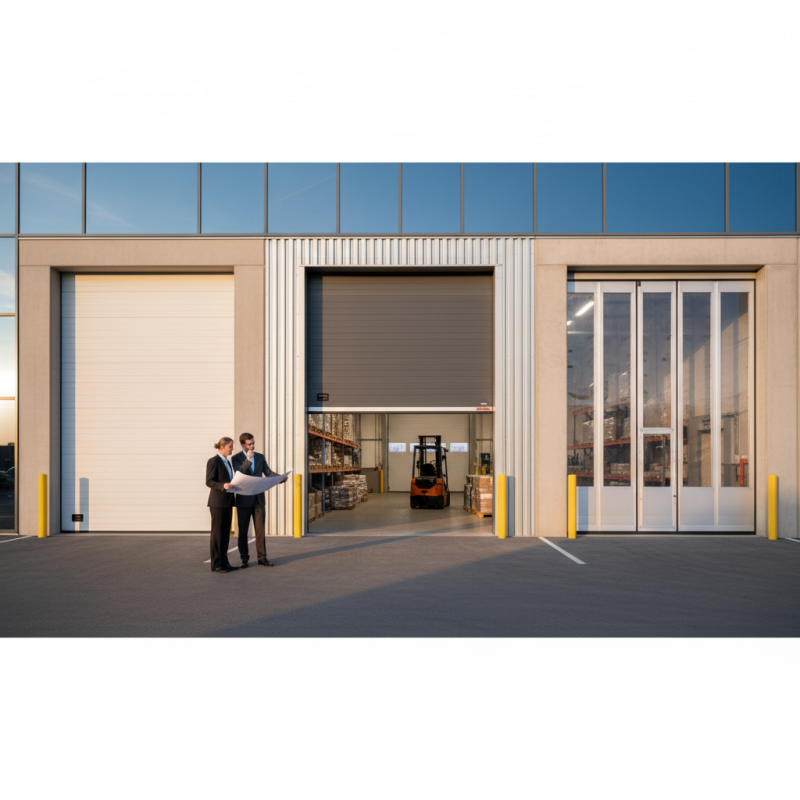
Understanding Different Types of Overhead Doors for Businesses
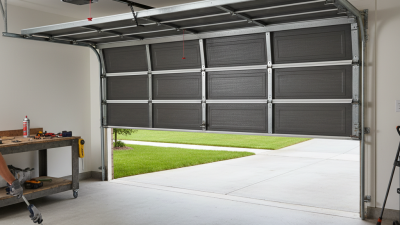
When selecting overhead doors for your business, it’s essential to understand the diverse types available. For instance, sectional doors are popular in commercial settings. They consist of panels that roll up into a track. This design saves space and provides excellent insulation. Their flexibility makes them ideal for warehouses and garages.
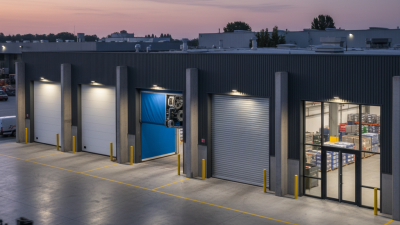
Roll-up doors are another option. They are typically made of steel or aluminum. These doors are durable and secure, perfect for high-traffic areas. However, they may not offer as much insulation. Many businesses struggle with temperature control. Choosing the right door can help mitigate this issue.
Lastly, consider the functionality of each door type. Some need manual operation, while others are automated. Automating doors can enhance efficiency but also adds to maintenance needs. Reflect on your business's specific requirements to make a better decision. Each door type has strengths and weaknesses that require careful evaluation.
How to Choose the Best Overhead Door for Your Business?
| Type of Overhead Door |
Material |
Insulation |
Typical Use |
Cost Range |
| Sectional Doors |
Steel |
Insulated |
Warehouses, Industrial |
$1,000 - $3,500 |
| Roll-Up Doors |
Aluminum |
Not Insulated |
Retail, Storage |
$800 - $2,500 |
| High-Speed Doors |
Polymer |
Optional Insulation |
Food Processing, Distribution |
$5,000 - $15,000 |
| Wooden Garage Doors |
Wood |
Insulated |
Boutiques, Showrooms |
$2,000 - $6,000 |
| Fiberglass Doors |
Fiberglass |
Insulated |
Coastal Areas |
$1,500 - $4,000 |
Evaluating Your Business Needs and Space Requirements
Choosing the right overhead door is vital for your business. Understanding your business needs and the specifics of your space will guide this decision. Consider how the door will be used daily. Will it need to accommodate large delivery trucks? If so, height and width become critical factors.
Space requirements should be evaluated carefully. Measure the designated area where the door will be installed. Ensure there is enough clearance for opening and closing. Assess how much space you can spare for the door's track and mechanism. Poor planning can lead to operational issues later.
**Tip:** Think about energy efficiency. Insulated doors can reduce heating and cooling costs. They create a comfortable environment for employees and customers alike.
Reflect on style as well. The door should match your business's aesthetic. An unappealing door can detract from your overall image. Don't underestimate the impact of visual appeal.
**Tip:** Engage with staff for their input. They understand daily operations best. Their feedback could highlight aspects you might overlook.
Choosing the Best Overhead Door for Your Business
Exploring Safety Features and Compliance Standards
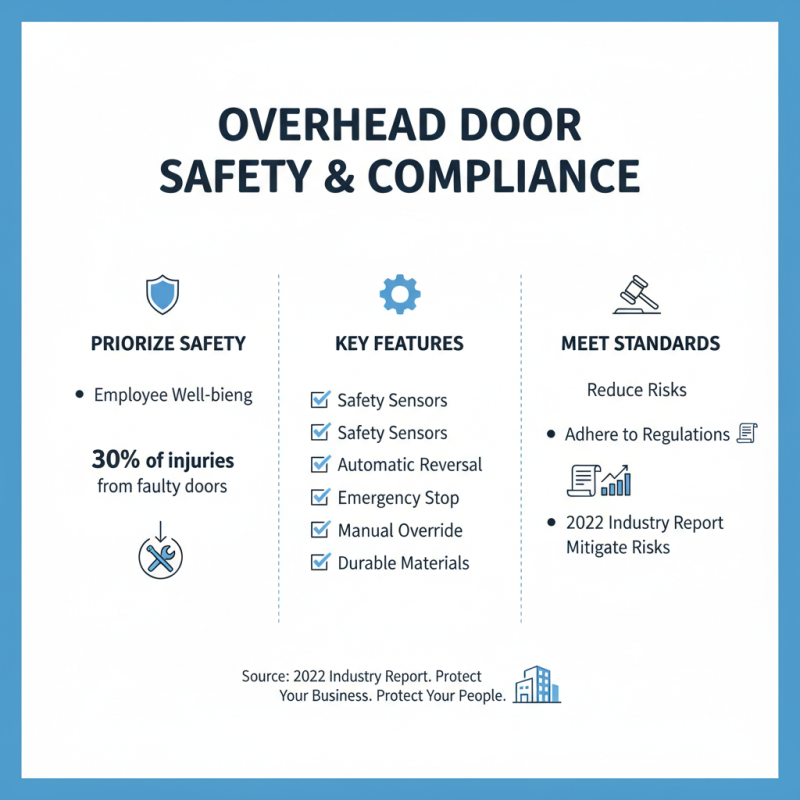
When selecting an overhead door, safety features and compliance standards are critical. Businesses must prioritize employee safety while adhering to regulations. According to a 2022 industry report, nearly 30% of workplace injuries are linked to malfunctioning doors. Ensuring your overhead door meets or exceeds safety standards can significantly mitigate these risks.
Compliance with safety standards like OSHA and ANSI is non-negotiable. These organizations set forth guidelines that protect workers and businesses alike. For instance, doors should have photoelectric sensors that detect obstructions. Failing to install such features can lead to serious accidents. Additionally, regular maintenance checks are essential. Neglecting routine inspections can result in costly fines and increased liability.
Understanding the specific safety requirements for your industry is vital. Each sector may face unique challenges and hazards. For example, a manufacturing facility may require more robust locking mechanisms compared to a retail outlet. Being unaware of these nuances can lead to inadequate protection. Regular training and updates regarding safety features can foster a culture of awareness within your workforce. This dialogue around safety keeps it at the forefront, ensuring doors are not just functional but also secure.
Consideration of Budget and Maintenance Costs
When selecting an overhead door for your business, budget and maintenance costs are crucial. According to the International Door Association, businesses should allocate about 5-10% of their initial investment for annual maintenance. This statistic emphasizes the importance of considering long-term expenses.
Investing in a quality overhead door might seem costly upfront. However, lower maintenance costs can yield better results over time. For example, a well-insulated door can reduce energy bills significantly. In fact, insulated doors can decrease energy costs by up to 20%, as reported by the U.S. Department of Energy.
**Tip:** Always ask for projected maintenance costs before making a decision. This will give you a clearer picture of overall expenses.
Maintenance often involves inspections and repairs. Neglecting these can lead to higher costs later on. A recent survey found that 67% of businesses faced unexpected repair costs because of inadequate maintenance.
**Tip:** Set a regular maintenance schedule. This proactive approach can help identify potential issues before they escalate.
Analyzing both initial costs and long-term maintenance is essential. A balance between affordability and reliability will ensure your overhead door continues to serve your business effectively.