How to Choose the Right Garage Door Opener and Door for Your Home?
Choosing the right garage door opener and door for your home is a crucial decision. According to industry expert Mark Johnson, “A reliable opener can enhance security and convenience.” Understanding what fits your needs is essential.
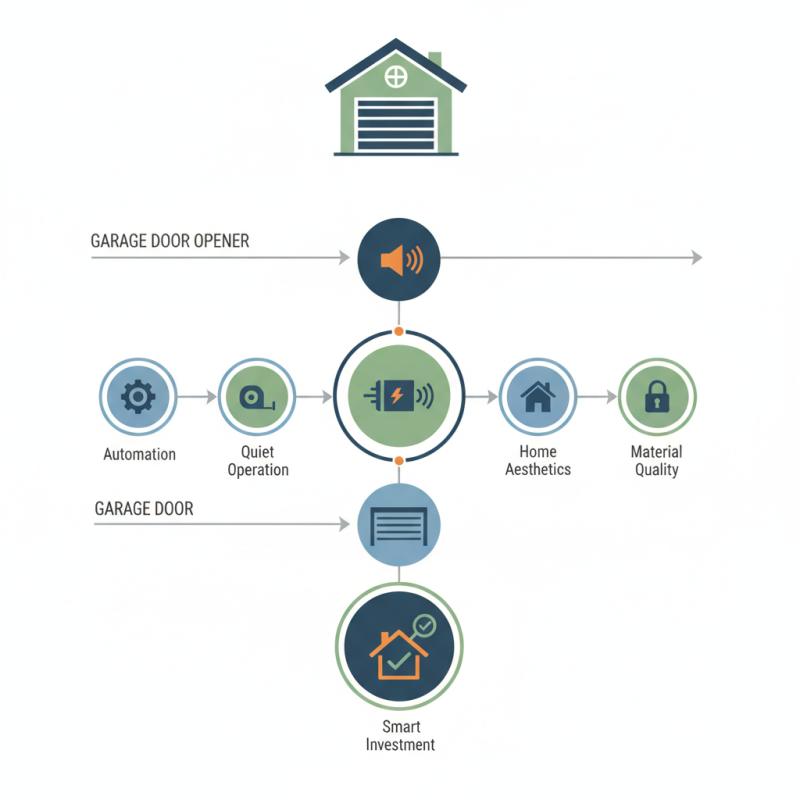
When selecting a garage door opener and door, consider several factors. The size and style of your garage door matter. Automation features can simplify your daily routine. You might need one that operates quietly, especially if your garage is close to living spaces.
Many homeowners overlook quality and durability. They often pick the cheapest option. However, investing in a good garage door opener and door will pay off in the long run. Reflect on your choices to ensure they align with your lifestyle and security needs.
Factors to Consider When Choosing a Garage Door Opener
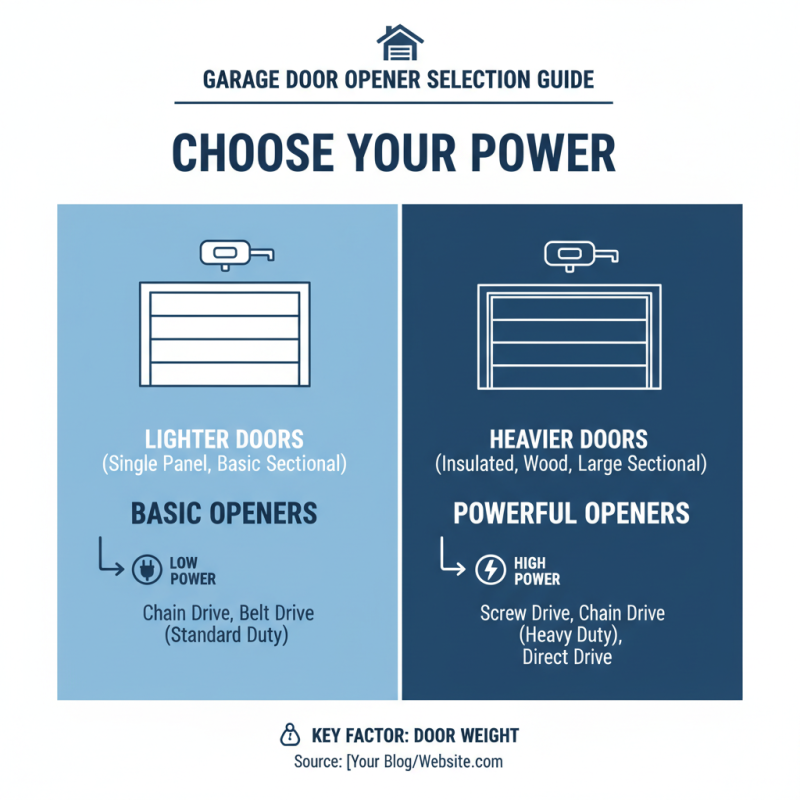
When selecting a garage door opener, several factors are crucial. Consider the type of door you have. Lighter doors may work fine with basic openers. Heavier doors require more powerful models.
Think about security features. Modern openers offer rolling codes. This technology ensures your door responds only to your remote. Additionally, look for options like smart home integration. It can be convenient but also complicates usage. Some models require frequent updates, which can be frustrating.
Noise levels matter too. Belt-driven openers are quieter than chain-driven ones. This is important if your garage is adjacent to living spaces. Don't overlook ease of installation, especially if you're doing it yourself. Complicated systems can lead to mistakes and safety issues. Always double-check the specifications. Matching the opener with your door's weight and material is key for a perfect fit.
Types of Garage Door Openers and Their Features
When choosing a garage door opener, understanding the different types is crucial. There are three primary types: chain-driven, belt-driven, and screw-driven openers. Chain-driven openers are popular due to their affordability. They are reliable but can be noisy. In fact, 60% of homeowners report noise as a concern. Belt-driven openers offer a quieter operation. They can be more expensive, yet many users find the peace worth the cost.
Screw-driven openers are less common but have their benefits. They require minimal maintenance and can operate in extreme temperatures. According to industry reports, these models have a lifespan of about 10 to 15 years. However, their performance can be affected by the size and weight of the door. It’s essential to consider these factors. Do you have a heavy door? You might need a more robust opener.
Each opener type includes features like remote access. Many modern openers support smart home integration. About 40% of buyers prioritize smart technology in their choices. But not all features are necessary for everyone. Think carefully about what you truly need. Are you more focused on noise level or technology? Being clear on your priorities can help avoid dissatisfaction later.
Types of Garage Door Openers and Their Features
This chart illustrates the popularity of different types of garage door openers based on their features and user preferences. Belt drive openers lead in popularity due to their quiet operation, followed by chain drive and smart garage door openers.
Choosing the Right Garage Door for Your Home's Aesthetic
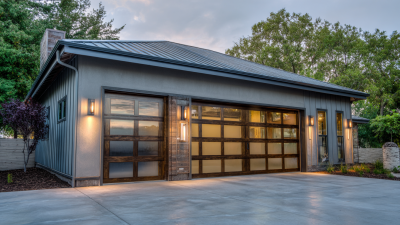
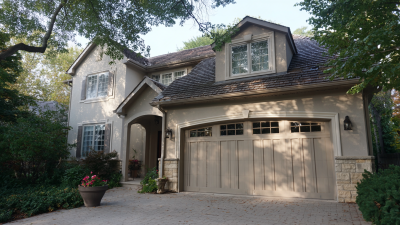
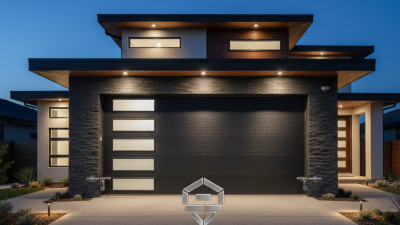
When selecting a garage door, consider how it complements your home's overall aesthetic. A garage door can significantly impact your home's curb appeal. Think about your house's architecture. If you have a modern home, sleek and simple designs may work best. Conversely, traditional homes often look better with classic styles.
Here are some tips to help you make the right choice. Pay attention to color and material. A wooden door adds warmth, while steel or aluminum offers a contemporary look. Test different options to see what feels right. Consider brightness, too. A vibrant color can make a statement, but it might not suit every style. Balance is key.
Choose a style that reflects your personality. Some homeowners prefer bold choices, while others seek subtlety. Remember, it's not solely about looks. Think about functionality. Make sure the door you choose meets your daily needs. Aesthetics and practicality must coexist for the best result. Keep reflecting on your choices, and don't hesitate to change your mind if something doesn’t fit right.
How to Choose the Right Garage Door Opener and Door for Your Home?
| Door Type |
Material |
Insulation |
Opener Type |
Horsepower |
Price Range |
| Sectional |
Steel |
Yes |
Belt Drive |
1/2 HP |
$300 - $600 |
| Roll-Up |
Aluminum |
No |
Chain Drive |
3/4 HP |
$400 - $700 |
| Tilt-Up |
Wood |
Yes |
Screw Drive |
1/2 HP |
$350 - $650 |
| Carriage House |
Steel/Wood Composite |
Yes |
Belt Drive |
1 HP |
$500 - $900 |
Essential Safety Features to Look for in Garage Doors and Openers
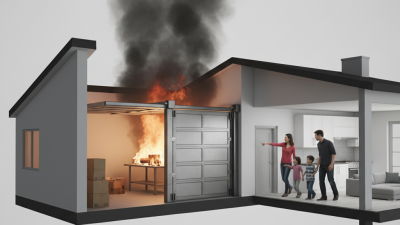
When selecting a garage door and opener, safety features should be your top priority. Look for doors with robust construction and reinforced frames. These materials can withstand impacts, reducing the risk of injuries. Ensure the opener includes an automatic reverse feature. This stops the door from closing if something is in its path.
Tips for safety: Always test the reverse mechanism regularly. This ensures it functions properly. Check for pinch-resistant designs on the door edges. These minimize hand injuries during operation.
Consider adding a backup battery to your opener. This ensures functionality during power outages. Be cautious of outdated systems. Safety technology evolves, so upgrade when necessary. Also, frequent maintenance can prevent malfunctions that lead to dangerous situations. Regular checks on sensors are essential too; they should be clean and aligned for optimal performance.
Maintenance Tips for Garage Doors and Openers for Longevity
Garage doors and openers can last many years with proper care. Regular maintenance is crucial for their longevity. A well-maintained garage door operates smoothly and can prevent costly repairs later on.
Check the door’s balance every few months. Disconnect the opener and lift the door halfway. It should remain in place. If it falls or rises, adjustments may be needed. This can be a sign of wear and tear. Always keep the tracks clean. Dirt and debris can hinder operation. A simple wipe with a cloth can work wonders.
Lubrication is key. Use a silicone-based lubricant for the moving parts. Apply it to the rollers, hinges, and springs. Do this twice a year to keep everything in top shape. Remember, an overly noisy door might need some attention. Unusual sounds can indicate a more significant problem. Regularly inspect your opener, too. Check for frayed cables or loose connections. These small steps can help ensure your garage door system runs quietly and effectively.